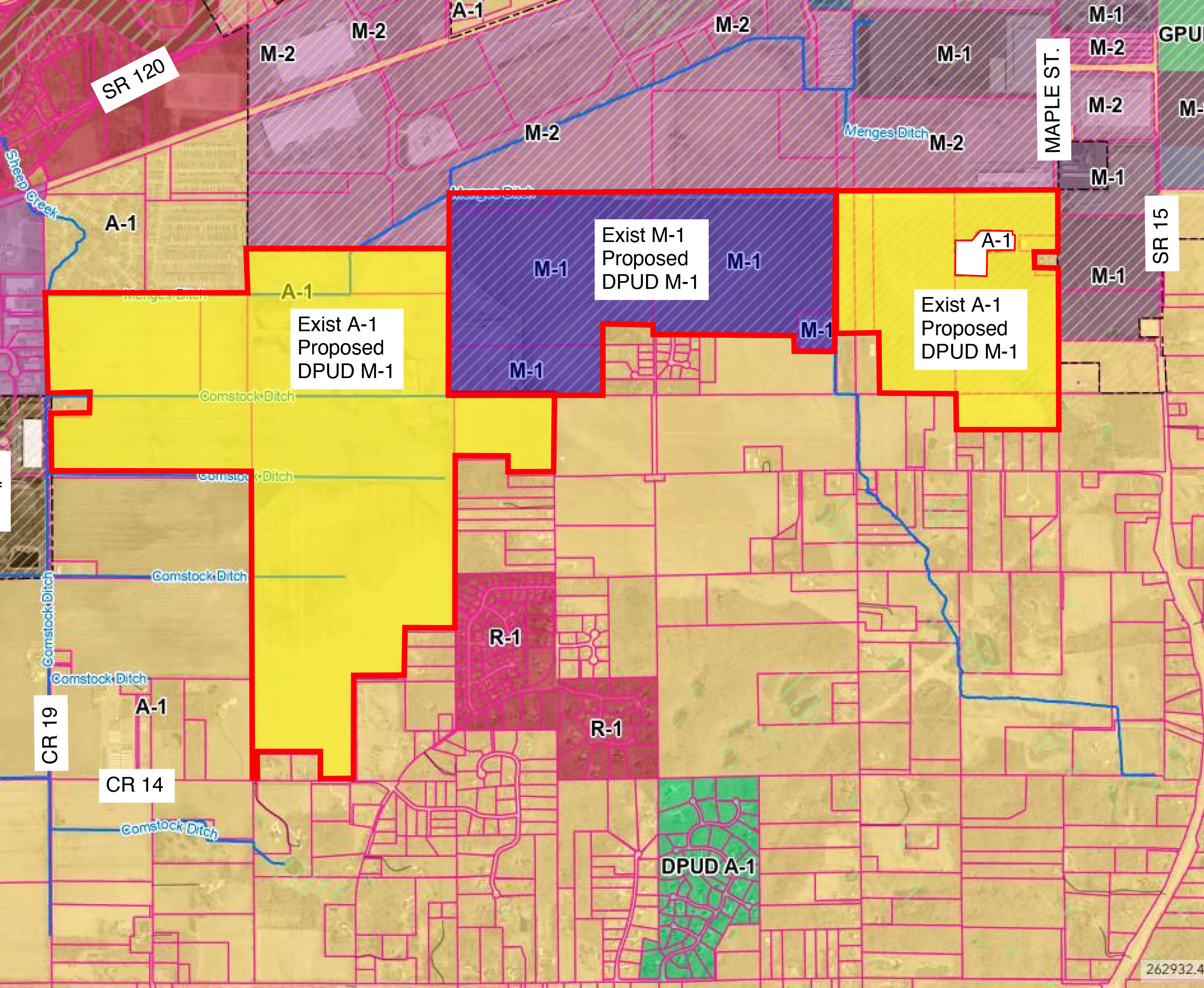
While part of the site is already zoned PUD, specific to a data center, including all of the properties will allow for the potential of a more successful development with increased development standards throughout. ( The original rezoning included vary few of the compatibility considerations included in the udated filing.)
The proposed DPUD incorporates approximately 426 acres currently owned by the Wilhelm family and 531 acres currently owned by the Kauffman family. There is no contingent owner or specific user at this time. The proposed DPUD is being designed to allow the flexibility of a single user for the entire site or to be developed separately. The enhanced standards have been developed to provide extra protections for surrounding residential users.
Rezoning in Elkhart County follows a defined public process with multiple opportunities for community input.
Focus group meetings with residents immediately adjoining the site.
DPUD application submitted with all required plans and narratives.
All landowners within 300 ft. notified in writing by the County of hearing date.
A public hearing will be scheduled by the County - tentatively July 9th - at 4230 Elkhart Rd; Goshen, IN 46526A
Petition moves to a second public hearing before Bristol Town Council. Tentatively August 6th - at 303 E Vistula St.; Bristol, IN 46507
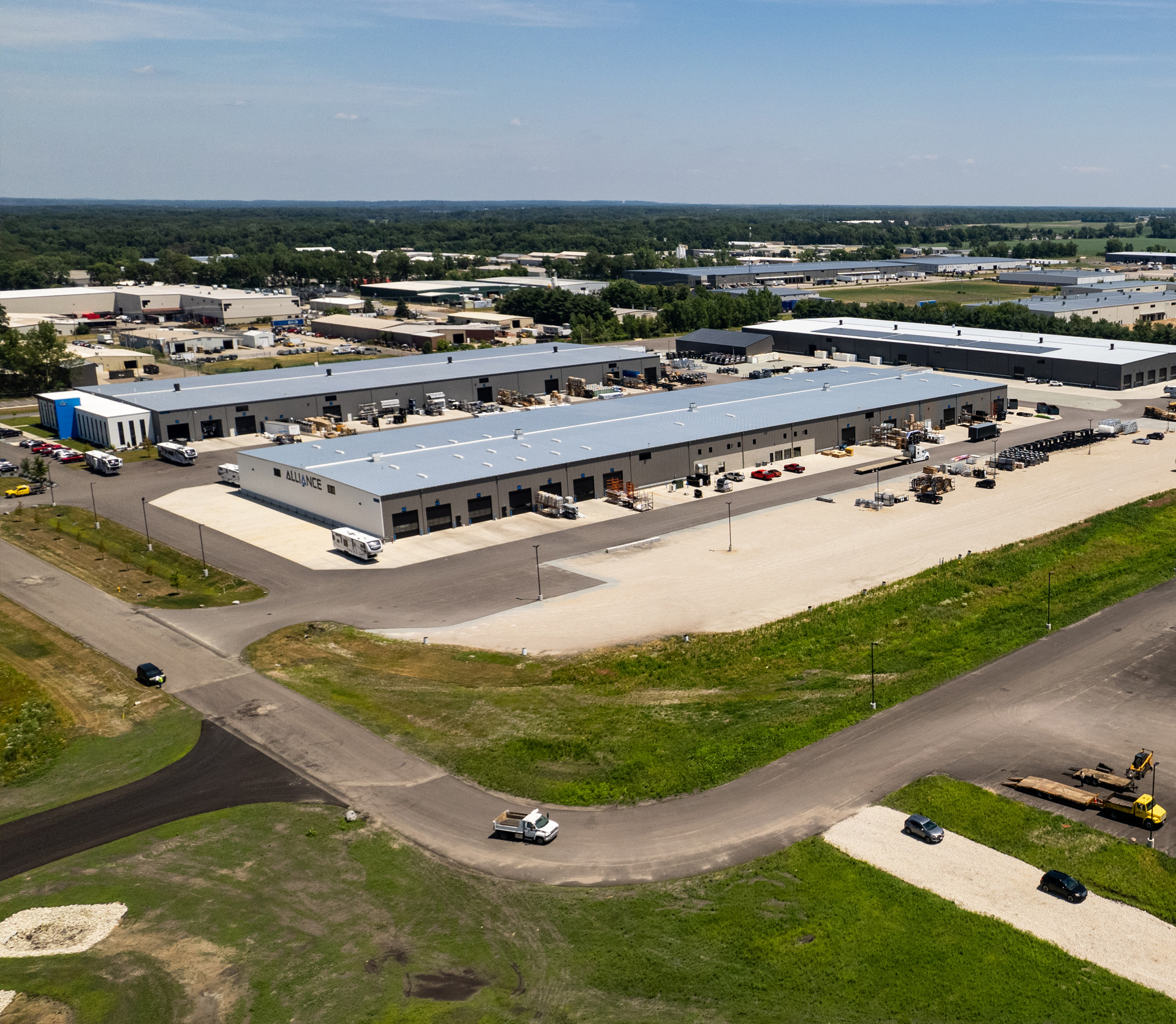
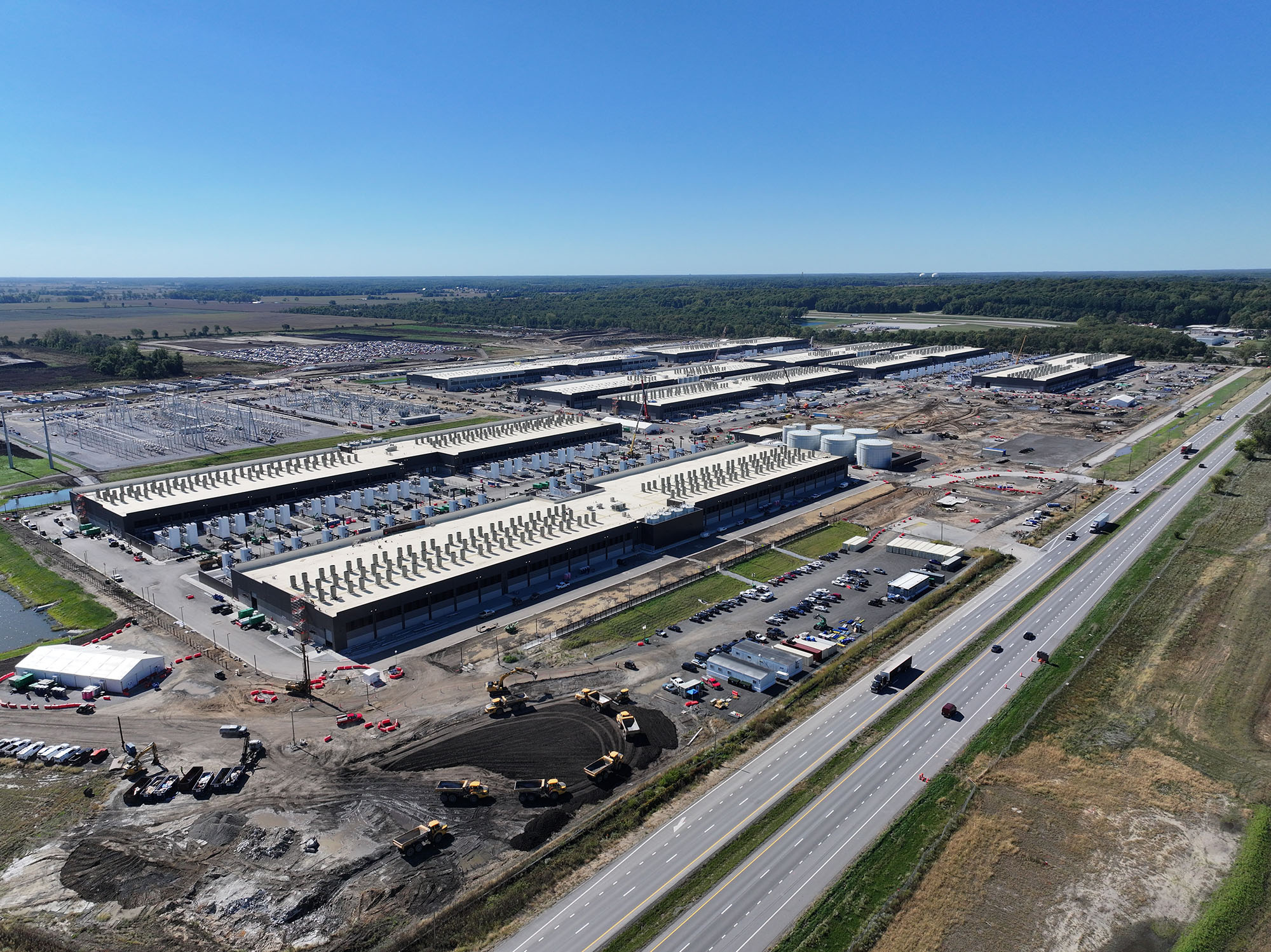
M-1 zoning covers a wide range of facilities. Below are examples of the kinds of modern, landscaped industrial and manufacturing campuses this designation can support — none of these are renderings of the Bristol site.

Low-profile buildings with extensive landscaping and buffering — a common approach in Midwest rural settings.

M-1 zoning supports many uses beyond data centers — light manufacturing, distribution, and assembly facilities.

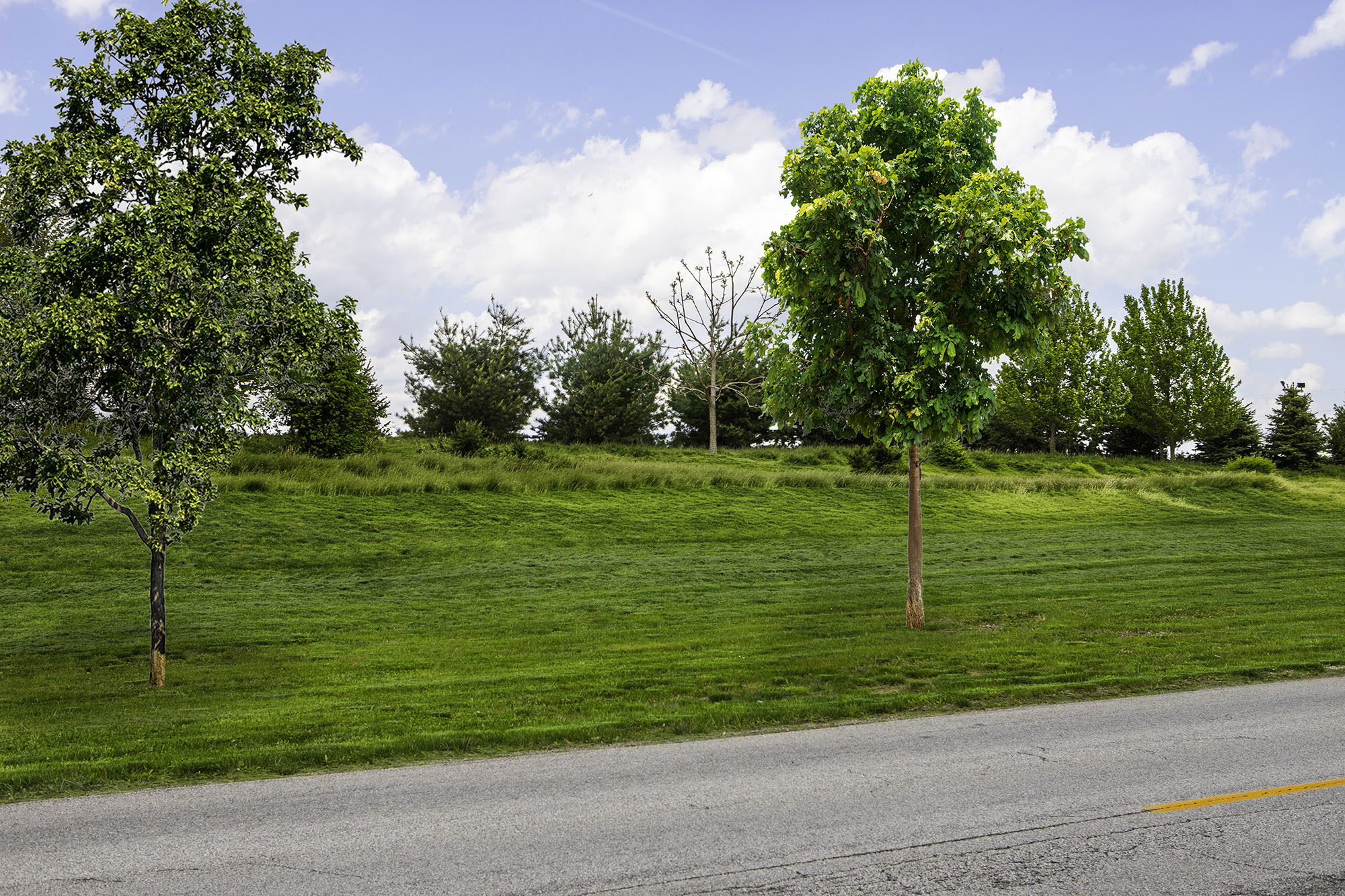
The DPUD filing includes required buffer areas, view shed reserves, and protected resources surrounding the site.
Photos above are illustrative examples only and are not renderings of the proposed Bristol site. Actual facility type and appearance will be determined through the DPUD approval process.
As part of this rezoning petition, the following studies, analyses, and site conditions will be required. These are not optional — they are self-imposed requirements woven into the DPUD ordinance itself. All are a pre-requisite to project final approval.
A full geotechnical study must be completed before finalizing any mass grading design for the site.
The analysis must produce a finding of "no significant impact" to the St. Joseph River aquifer prior to issuance of any construction permits.
A wetlands impact study is required, including either a finding of "no significant impact" or an approved mitigation plan, prior to issuance of construction permits.
A stormwater pre-design report must be completed and accepted before site design and construction activities begin.
The developer/end user is required to complete two separate traffic reports prior to design and construction activities: (1) a traffic analysis for the project at full build-out, and (2) a traffic analysis for the project during the construction phase. Any required roadway impact agreements must also be executed prior to permit issuance.
The project must comply with the Indiana Construction Stormwater General Permit requirements, including all required erosion control measures throughout construction.
A utility study covering municipal water and sewer infrastructure capacity and routing must be completed as part of the pre-design process.
The work site must include active dust mitigation when conditions require. The site developer is responsible for continuously monitoring emissions and activating mitigation measures when needed or as required by the Town of Bristol. This obligation applies throughout site construction activities and development.
As a condition of DPUD approval, the future site developer will commit to initiating all required buffering, screening, and view shed elements as described in the development covenants. These elements are a condition of approval, not an afterthought.
All conditions and commitments outlined above are included in the rezoning ordinance through the PUD narrative or restrictive covenants. These are not voluntary pledges. They are legally binding conditions of the rezoning.
All DPUD filing documents will be posted here following submission.
Written description of project intent
Parcel boundaries and context
Official parcel configuration and planned unit development filing
Mapped wetland areas and existing county drain locations on site
Soil classification and composition across the project site
Water and sanitary sewer routing and connection points
Preliminary grading plan and mass earthwork design approach
Drainage and runoff controls
Screening, view shed reserves, and vegetative buffer placements
Allowable uses and restrictions
Factual answers to questions the community has raised about the rezoning and potential development.
Assembly, fabrication, and production facilities with limited external impact
Storage and logistics facilities serving regional supply chains
Technical labs, testing facilities, and product development centers
Server infrastructure, cloud computing, and telecommunications facilities
Service yards, equipment storage, and trade contractor operations
Fleet maintenance, auto repair, and vehicle service operations
Processing plants, packaging facilities, and commercial food production
Lumber yards, building supply operations, and materials processing
Substations, utility infrastructure, and energy-related operations


Questions may be submitted beginning June 1, 2025. Project team members will respond — response time depends on volume received.